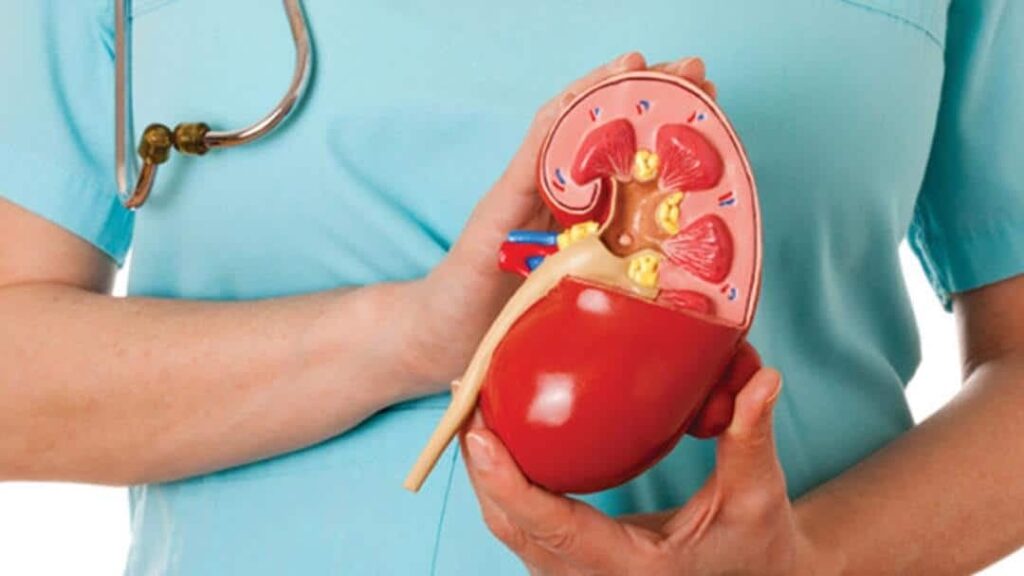
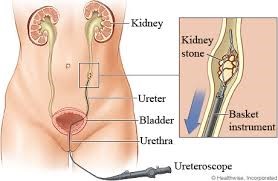
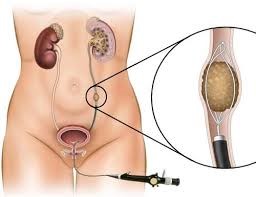
Lithotripsy is a medical procedure used to treat certain types of kidney stones and stones in other organs, such as your gallbladder or liver.
Imam Reza Hospital
Stone crushing or lithotripsy
Lithotripsy uses sound waves to break up large kidney stones into smaller pieces. These sound waves are also called energetic shock waves. The most common type of lithotripsy is extracorporeal shock wave lithotripsy (ESWL).
Lithotripsy
Laparoscopy is a surgical procedure used to examine the organs in the belly (abdomen). It can also examine a woman’s pelvic organs. Laparoscopy uses a thin lighted tube that has a video camera. The tube is called a laparoscope. It is put into a tiny cut (incision) in your belly. The video camera images can be seen on a computer screen. One benefit of laparoscopy is that it is minimally invasive. That means it uses a very small cut (incision) in the belly. Laparoscopy often takes less time and has a faster recovery than open (traditional) surgery. Laparoscopy may be used to take a small tissue sample for testing (a biopsy). It can also be used to remove organs, such as the appendix (appendectomy) or the gallbladder (cholecystectomy).
The operation is of help in the differential diagnosis of low abdominal and pelvic pain, particularly in detecting the unruptured ectopic pregnancy. Laparoscopy is also used in fertility investigations to check the patency and freedom of the fallopian tubes, while the ovaries can be examined for follicles and the presence of corpora lutea indicating ovulation. With the operating laparoscope, or through a separate portal of entry and guided by a single-channel instrument, therapeutic pro- cedures may be performed. The most common of these is sterilisation, when a loop of each fallopian tube is occluded by either cautery, a Silastic band, or a clip. Through the laparo- scope small foreign bodies (such as misplaced intrauterine devices) may be retrieved and localised patches of endometriosis can be fulgurised. A less common use which has attracted attention recently is the harvesting of eggs from almost ripe follicles; these can then undergo extracorporeal fertilisation for reinsertion later into the woman’s uterus
Complications Laparoscopy
The advantages of the laparoscopic approach for surgical procedures include reduced postoperative pain, shorter hospital stays, rapid return to normal activities, and significant cost savings. This has led to performing more extensive procedures in older and sicker patients with significant coexisting cardiopulmonary disease. However, these procedures present new potentially life-threatening complications that are usually not seen with the traditional “open” approach. It therefore is important that the benefits of laparoscopic procedures are weighed against potential complications. Awareness of these potential complications and knowledge of their management should prevent mortality and reduce morbidity, thus improving patient care and safety. The complications unique to laparoscopic surgery include those related to creation of pneumoperitoneum, patient positioning, and surgical instrumentation. Intraperitoneal carbon dioxide (CO2) insufflation and changes in patient positioning during laparoscopic surgery have several hemodynamic, pulmonary, and endocrine consequences. In addition, several surgical complications, including subcutaneous emphysema, pneumothorax, pneumomediastinum, gas embolization, acute hemorrhage, and bowel or bladder perforation, can occur during the laparoscopic procedure. Postoperative complications include pain, nausea, vomiting, pulmonary impairment, wound infection, peritonitis, delayed hemorrhage, incisional hernia, and metastases at the trocar insertion sites..
Through these links, you can see our services more fully. The links will refer you to the pages as a faster reference
Some ideas and suggestions
We always try to provide the best for our clients by providing up-to-date medical services and modern medical equipment and experienced and expert treatment staff.
Ahmad Reza MobiniPatient
It is a very excellent and well-equipped hospital, the treatment staff are very good and experienced, may God bless them, they took the best care of me during the time I was hospitalized. I would like to thank all the staff here.
Seyyedah Fatima Ahmadi
Thank you to all the maternity staff, how kind and experienced, the environment and rooms are clean and high quality, they were so good that I forgot the pain of childbirth. May God protect you
Arash Amir Abdoli
Everything was good and great, sometimes a patient has many worries that if they don't cooperate with him in the hospital, in addition to his pain and illness, he will have a thousand thoughts, I wanted to say that you are all welcome, everything is good and great and worthy of attention
Zahra Abdullahi
The children's department of the hospital is very good, really kind nurses, good and experienced doctors, taking care of my child day and night, God bless you.
Sina Amiri
How good it is for a person to count on others when a problem arises. In my opinion, the emergency nurses of Imam Reza Hospital are the ones who can be counted on in critical situations. Your breath is hot