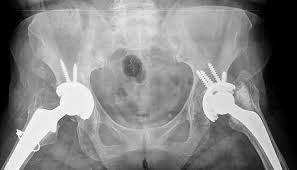
Total
hip replacement is a frequently done and highly successful surgical
intervention. The procedure is undertaken to relieve pain and improve function
in individuals with advanced arthritis of the hip joint. Symptomatic
osteoarthritis is the most common indication for surgery. In paper 1 of this
Series, we focus on how patient factors should inform the surgical
decision-making process. Substantial demands are placed upon modern implants,
because patients expect to remain active for longer. We discuss the advances
made in implant performance and the developments in perioperative practice that
have reduced complications. Assessment of surgery outcomes should include
patient-reported outcome measures and implant survival rates that are based on
data from joint replacement registries. The high-profile failure of some widely
used metal-on-metal prostheses has shown the shortcomings of the existing
regulatory framework. We consider how proposed changes to the regulatory
framework could influence safety.
sit
comfortably because of the pain, or if your arthritis limits your activities.
Hip
replacements can also be used for other health conditions. For instance,
they’re sometimes used if a tumor grows in the hip joint. Hip replacements may
also be used in an emergency to fix a fracture in the hip joint or the
thighbone. A condition called avascular necrosis of the hip often requires a
total hip replacement.
What Is the Outlook?
Hip replacements generally have high success rates. In fact, the AAOS has called the hip replacement “one of the most successful operations in all of medicine.” Most people who have the procedure report significantly less hip pain and a greater ability to perform daily activities.
The most common complication is dislocation of the new joint. This usually occurs in people who do not let themselves fully recover before resuming normal activities. It can also occur in people who do not follow instructions for caring for the hip after surgery. However, with newer prosthesis, hip dislocation is greatly reduced. Infections and blood clots are potential complications, but procedures can help prevent these from occurring.
Hip joints last many years, but high-impact activity or obesity may shorten their lifespan. Some people have to get a second hip replacement if the first one begins to deteriorate. With newer designs and materials, however, they may even last several decades.